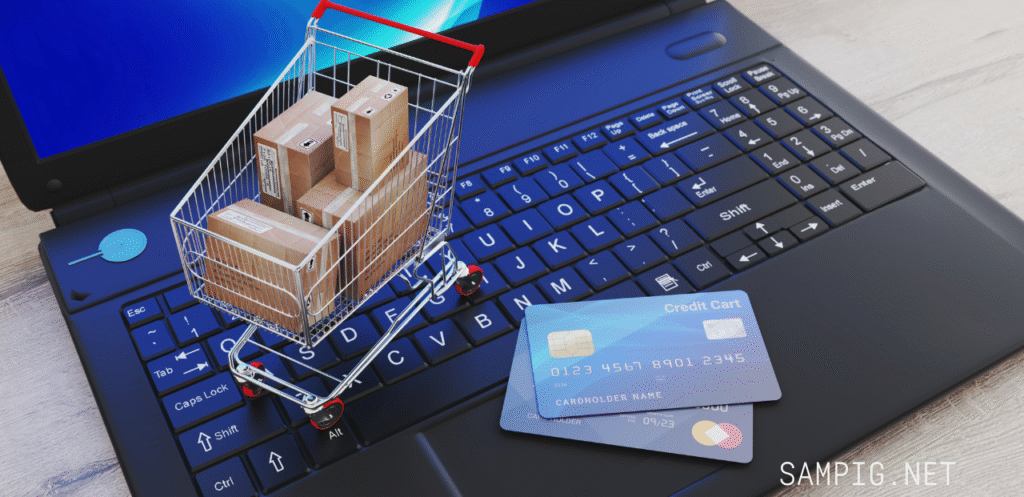
E-commerce has completely transformed the way people shop, do business, and interact with brands. What began as a convenient way to buy books, electronics, and clothing online has now evolved into a trillion-dollar global industry that covers almost every product and service imaginable. In 2025, e-commerce is not just a business model—it’s the backbone of digital economies worldwide. From small entrepreneurs selling handmade crafts to global corporations moving billions of dollars’ worth of goods each year, e-commerce offers endless opportunities.
This article explores the future of e-commerce in 2025 and beyond, highlighting emerging trends, current challenges, and growth opportunities for businesses and consumers alike.
What is E-Commerce?
E-commerce, short for electronic commerce, refers to buying and selling goods or services through the internet. Unlike traditional retail, where transactions happen face-to-face, e-commerce enables businesses to connect with customers globally without the limitations of physical location.
There are several types of e-commerce:
- B2C (Business to Consumer): Online stores like Amazon or Daraz selling directly to customers.
- B2B (Business to Business): Wholesale platforms such as Alibaba, where companies buy and sell in bulk.
- C2C (Consumer to Consumer): Platforms like eBay or OLX where individuals sell to each other.
- C2B (Consumer to Business): Freelancers or service providers offering work to companies.
The Growth of E-Commerce in 2025
Over the last decade, the global e-commerce market has grown at an unprecedented pace. Reports estimate that global e-commerce sales will surpass $7 trillion in 2025, with Asia, North America, and Europe leading the charge. This growth is fueled by:
- Widespread internet access in developing countries.
- Mobile penetration—most online shopping is now done on smartphones.
- Social commerce, where platforms like TikTok, Facebook, and Instagram double as shopping destinations.
- Improved logistics and payment gateways, making online transactions safer and faster.
Key Trends Shaping E-Commerce in 2025
Mobile-First Shopping
More than 70% of online purchases are expected to come from mobile devices. Businesses are investing heavily in mobile-friendly websites, apps, and seamless checkout systems. Mobile wallets like PayPal, Apple Pay, Easypaisa, and Google Pay have reduced friction in online payments, increasing customer trust and conversion rates.
Artificial Intelligence (AI) and Personalization
AI is playing a central role in creating personalized shopping experiences. Recommendation engines suggest products based on browsing history, purchase behavior, and even real-time interactions. Chatbots powered by AI also assist customers 24/7, improving support while lowering costs.
Augmented Reality (AR) and Virtual Reality (VR)
AR and VR are bridging the gap between physical and online shopping. Customers can “try on” clothes virtually or preview furniture in their living rooms before making a purchase. This reduces return rates and boosts confidence in online buying.
Sustainable and Ethical Shopping
Consumers are becoming more environmentally conscious. Brands that adopt eco-friendly packaging, carbon-neutral shipping, and ethical sourcing are more likely to gain customer loyalty. Transparency is no longer optional—it’s expected.
Voice Commerce
With the rise of voice assistants like Alexa, Google Assistant, and Siri, voice commerce is gaining traction. Shoppers can place orders simply by speaking, making the process hands-free and more convenient.
Subscription-Based Models
From Netflix to subscription boxes for beauty, fashion, and groceries, recurring revenue models are booming. Customers enjoy convenience, while businesses secure predictable income.
Blockchain and Secure Payments
Blockchain technology is being adopted for enhanced payment security, fraud prevention, and supply chain transparency. Cryptocurrencies are also becoming more widely accepted in online transactions.
Challenges Facing E-Commerce in 2025
Despite its massive growth, e-commerce is not without hurdles. Businesses must address these challenges to remain competitive:
- Cybersecurity Threats: Online fraud, hacking, and data breaches are rising, making security investments critical.
- Logistics and Delivery Issues: Customers demand faster deliveries (same-day or next-day), but supply chain disruptions remain a major challenge.
- High Competition: With low entry barriers, new online stores emerge daily, making it harder for brands to stand out.
- Customer Trust: Scams, fake products, and poor service from unverified sellers harm the reputation of legitimate businesses.
- Cross-Border Trade Barriers: While globalization has opened doors, differences in laws, taxes, and shipping regulations create obstacles for international e-commerce.
Opportunities in E-Commerce
For businesses willing to innovate, the future is full of opportunities:
- Niche Stores: Instead of competing with giants like Amazon, small businesses can focus on niche markets (organic foods, handmade crafts, pet products).
- Direct-to-Consumer (D2C): Brands bypass middlemen and connect directly with customers, creating stronger relationships and higher profits.
- Social Media Integration: Platforms like TikTok Shop and Instagram Checkout allow users to buy without leaving the app, giving businesses direct access to younger audiences.
- Global Expansion: With the right logistics, even small businesses can sell globally.
- AI-Powered Analytics: Businesses can optimize pricing, inventory, and marketing strategies by analyzing customer data.
Future of E-Commerce Jobs and Careers
The growth of e-commerce is creating millions of new jobs worldwide. Careers in digital marketing, web development, logistics, data analysis, and customer service are in high demand. Freelancers and small business owners also benefit, as platforms like Shopify, WooCommerce, and Etsy make it easier than ever to launch an online store.
Conclusion
E-commerce in 2025 is more than just online shopping—it’s a dynamic ecosystem driving the global economy. With the rise of AI, mobile shopping, sustainable practices, and social commerce, the industry continues to evolve rapidly.
Businesses that embrace innovation, prioritize customer experience, and adapt to emerging technologies will thrive. Meanwhile, consumers will enjoy greater convenience, choice, and transparency than ever before.
In short, the future of e-commerce is bright, but only for those who are ready to adapt, innovate, and build trust in a digital-first world.